Tutorials
“Limb salvage”
Limb salvage typically consists of these three components:
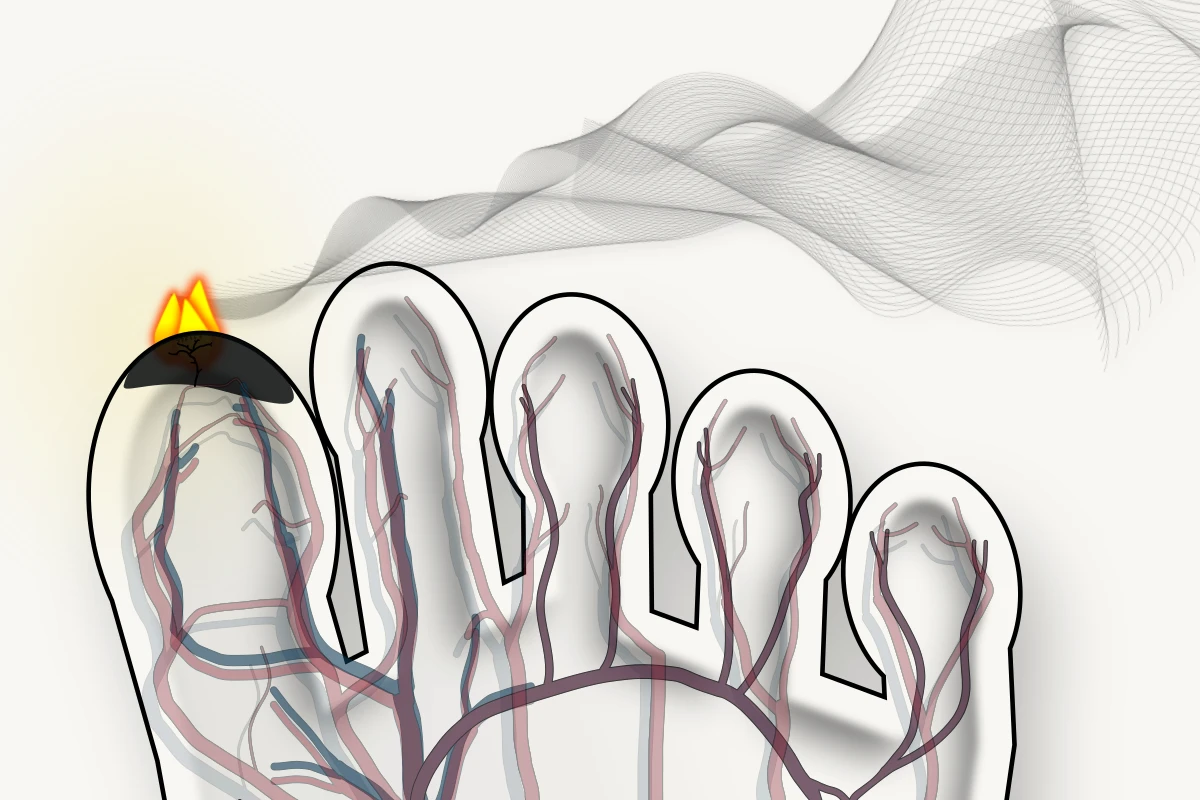
Foot infection
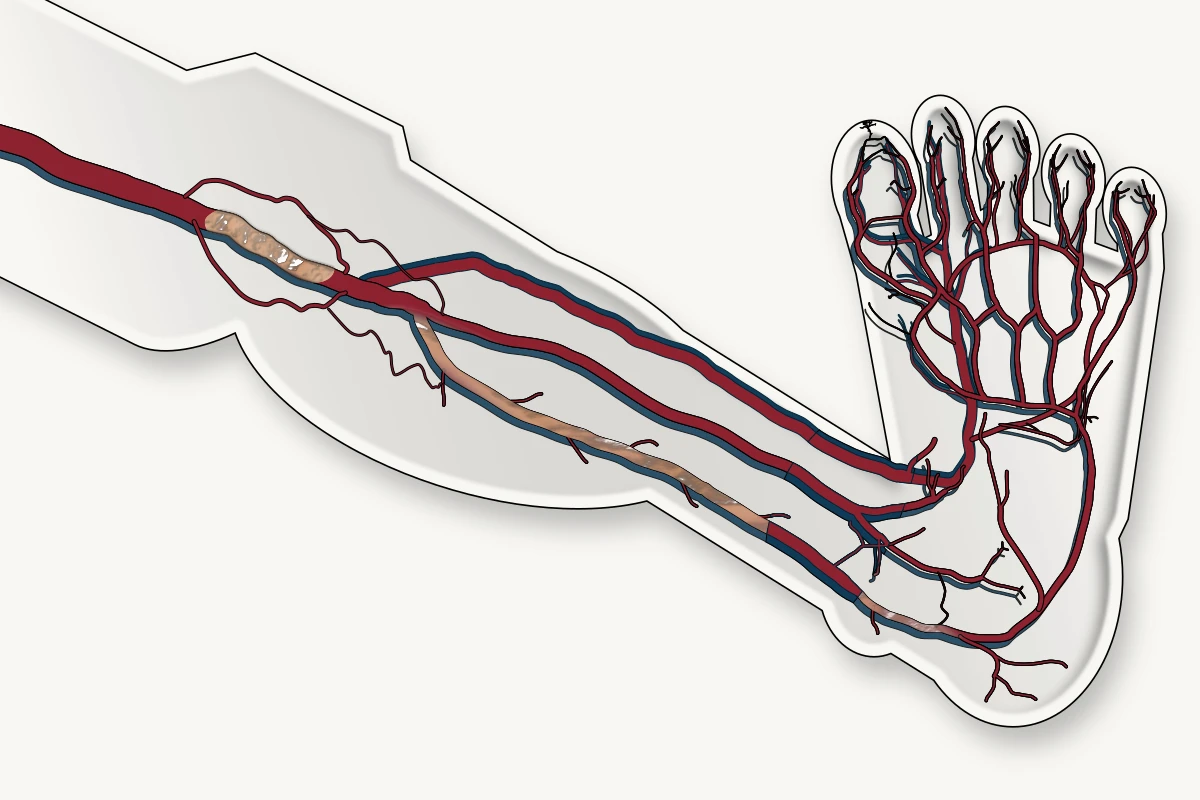
Peripheral artery disease
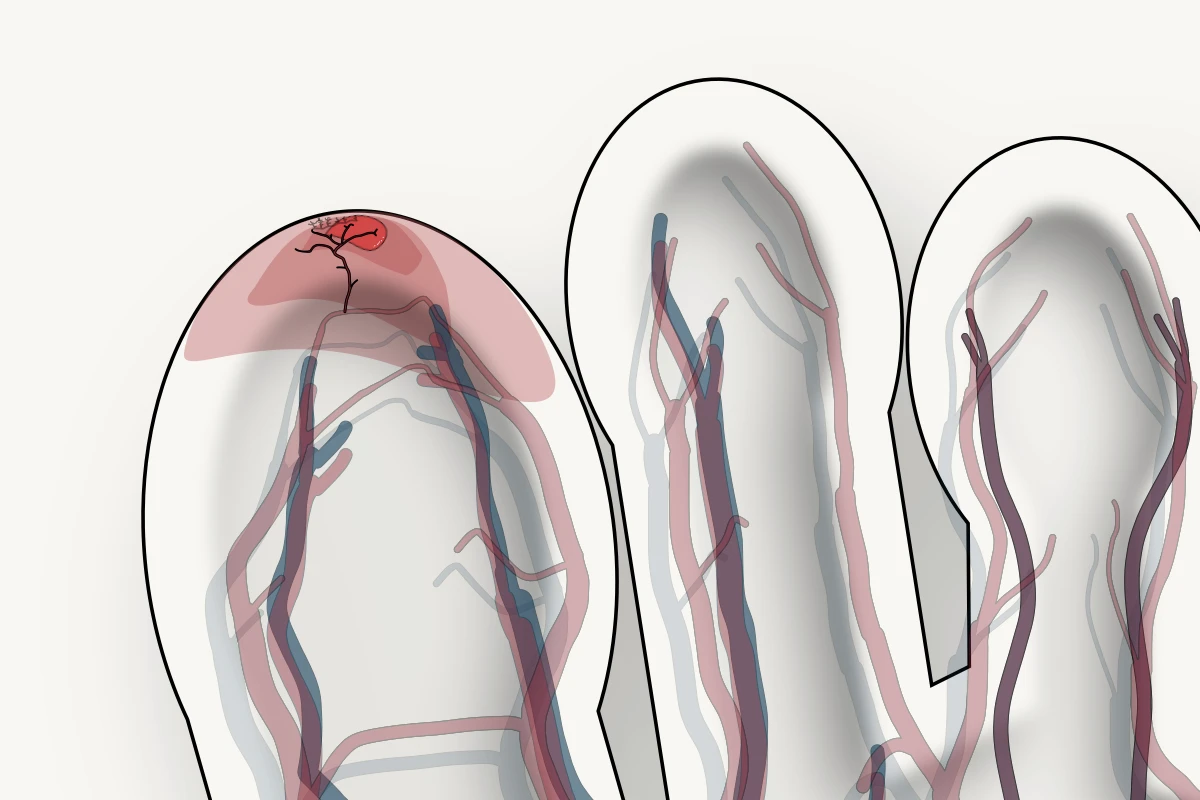
Wound healing and reconstruction
- Ensure wound healing / foot reconstruction to restore an intact epithelial surface.
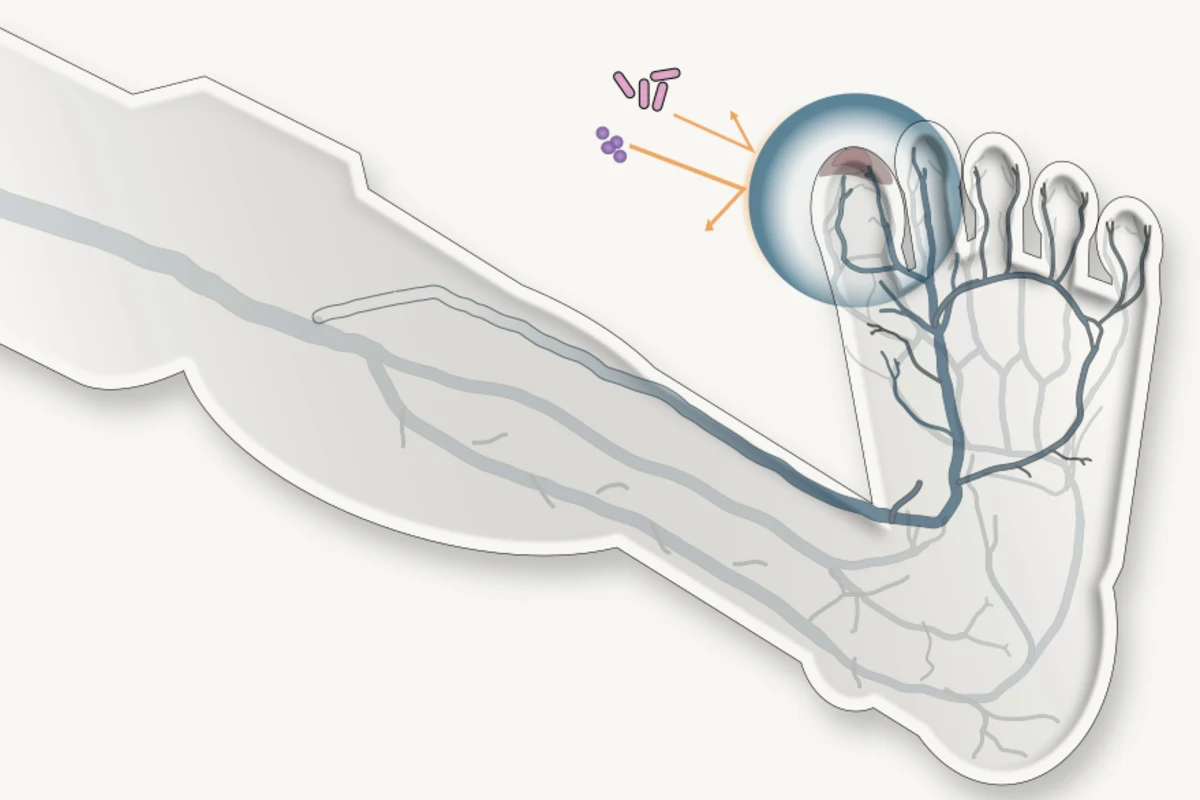
Palliative wound care
Provide palliative wound care for patients who won't benefit from limb salvage efforts. We have defined palliative wound care as wound care done without the expectation of wound healing.
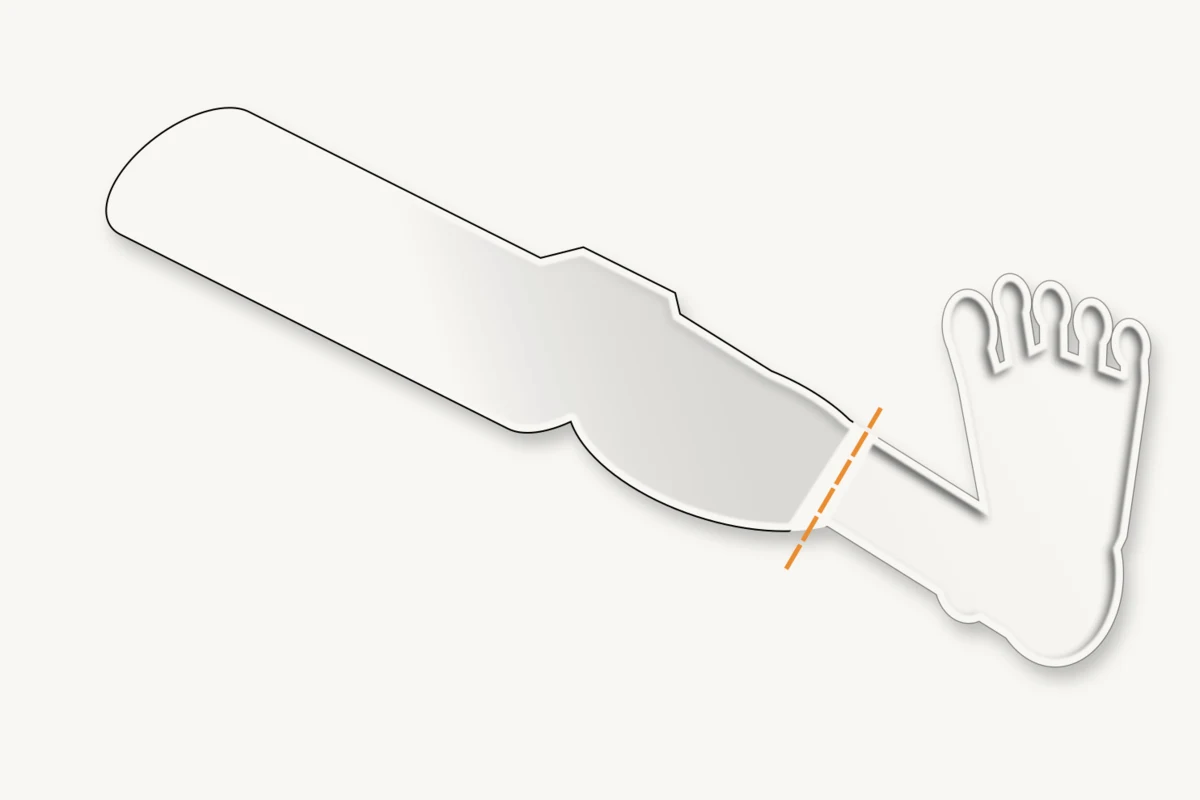
Leg amputation
In selected patients, perform leg amputation if this would improve quality of life and/or function.
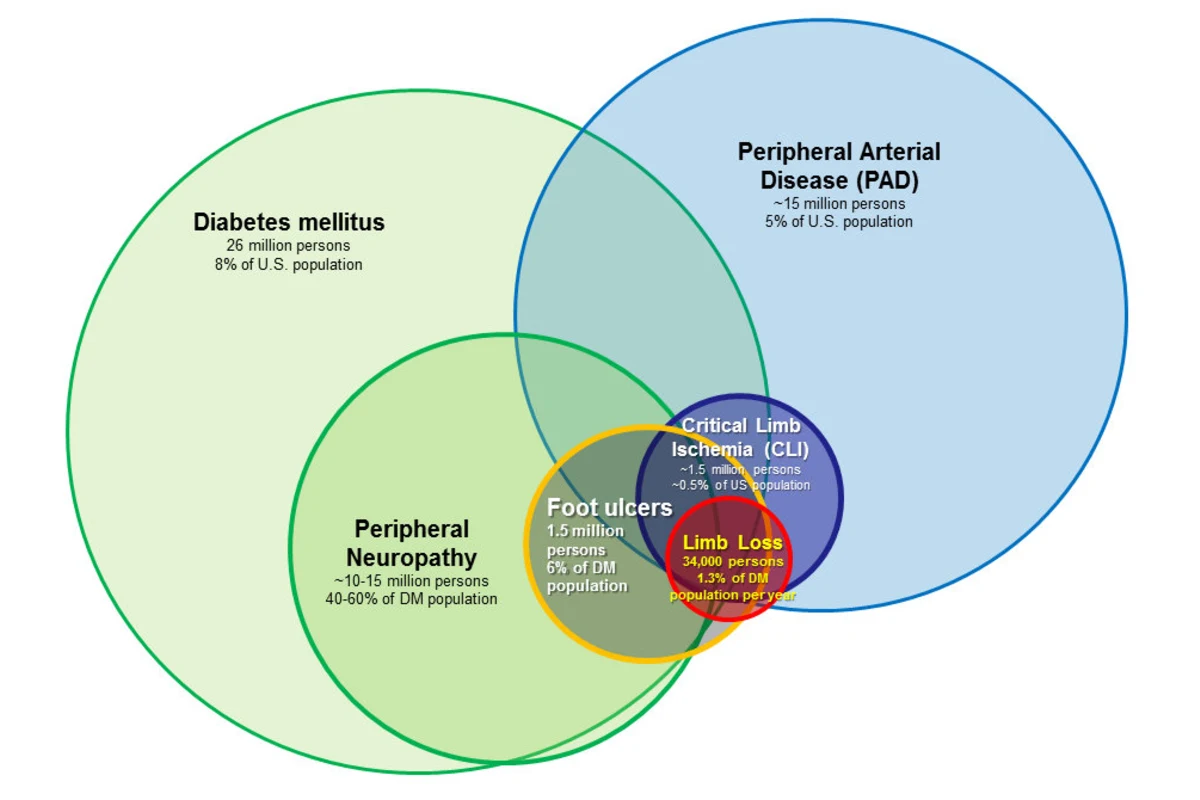
Interdisciplinary care
Amputation prevention and limb salvage require interdisciplinary or multidisciplinary care. The system of care must be cohesive and coordinated for reliably good outcomes.