Leg amputees who live far from experienced medical centers
Leg amputations among Texans remote from experienced surgical care
Summary
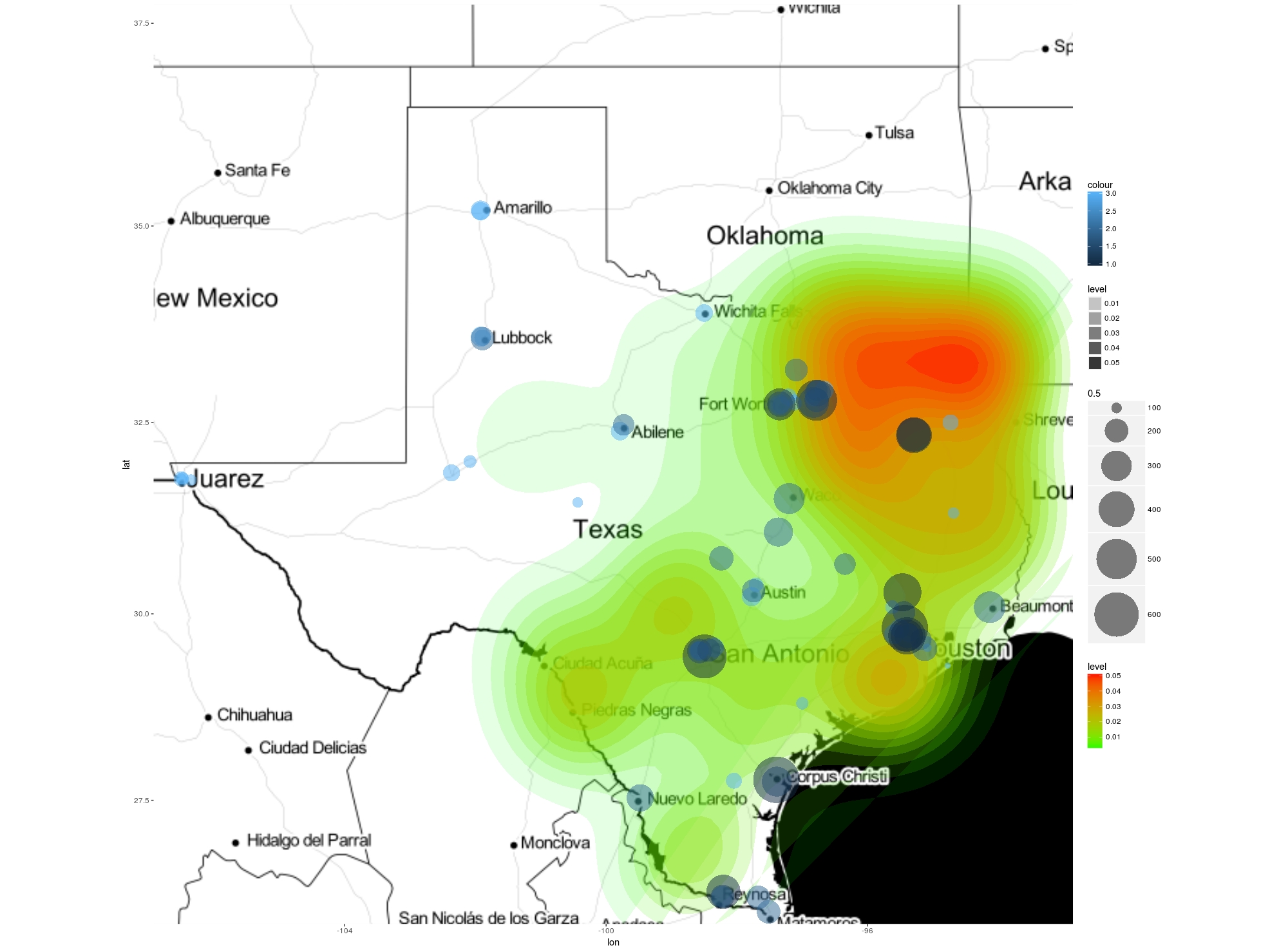
Nearly one in five Texans who underwent leg amputation for peripheral artery disease and a foot complication lived more than 50 miles from an experienced medical center. Among these remote patients, those treated at low-volume centers were older, more often had Medicaid coverage, more often had a foot infection, and were more often admitted through an emergency department.
Remote patients treated at an experienced center lived an average of 72 miles from the nearest experienced center and traveled an average of 76 miles to the hospital where the amputation was performed. Remote patients treated at a low-volume center lived a similar average distance from experienced care—77 miles—but traveled only 28 miles to the hospital they used. The difference suggests that travel burden may influence where patients receive care.
Contribution and significance
This work used publicly available hospitalization data and geospatial analysis to move beyond patient-level clinical and demographic risk factors. Mapping the location of residence revealed geographic clusters that were difficult to recognize in tabular zip-code data and identified specific regions where outreach, teleconsultation, or other amputation-prevention resources could be directed.
The accompanying editorial highlighted the analysis as a model for examining regional disparities in other rural and remote areas of the United States. The findings have also informed the research team’s outreach efforts and support incorporating place of residence and travel burden into strategies for improving access to limb-salvage care.